August 31, 2026

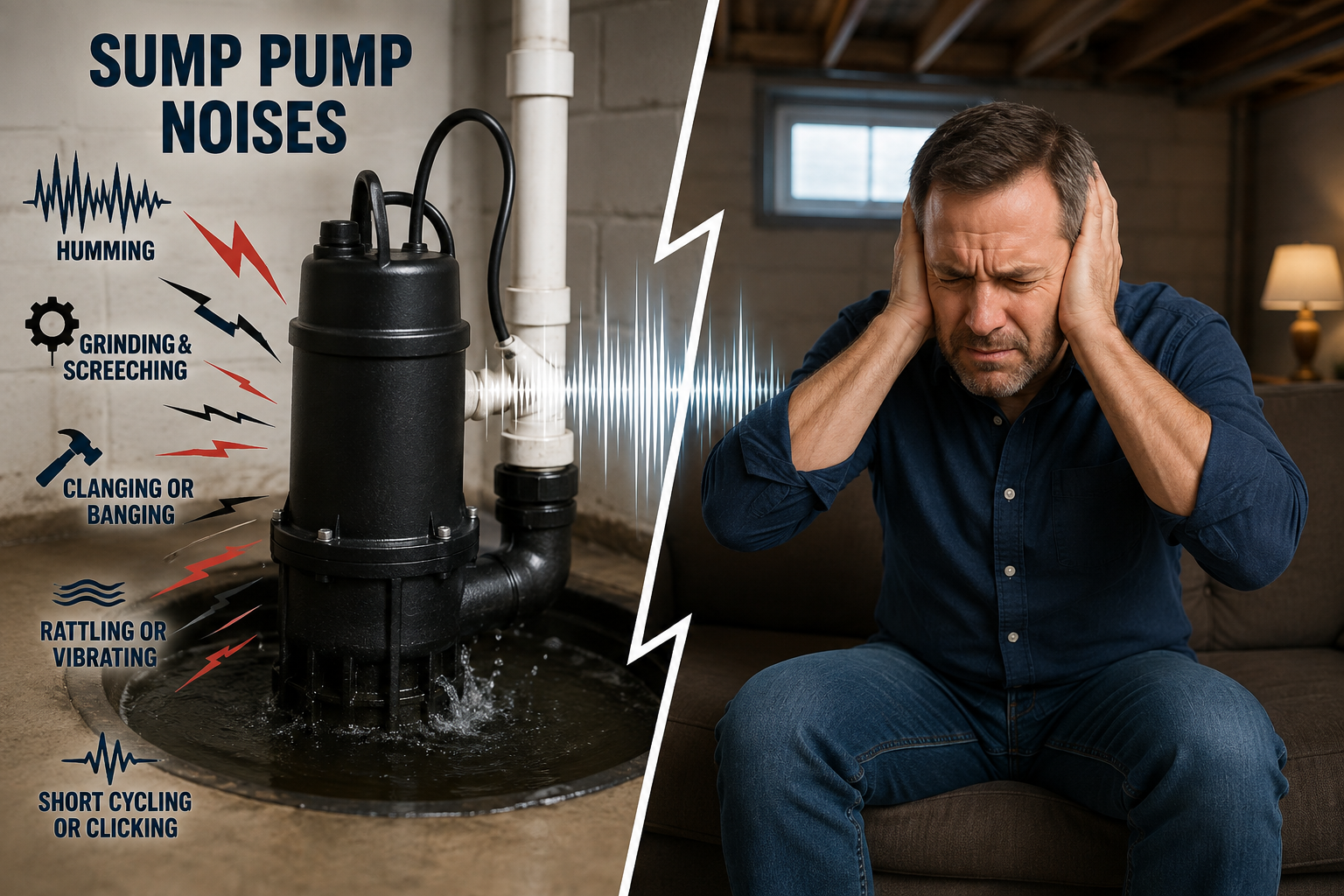
Even though the work your sump pump does is often unseen and unheard, you may be able to notice a few problems that it’s having. Some sounds can lead you to think there’s some major issue going on, but most of the time, these sounds are much smaller issues.
Paying attention to the mechanical noises and water drainage issues can save you the hassle of basement flooding.
A Humming Sump Pump
A low sump pump can even be normal, but a loud hum that doesn’t subside over time can mean that the impeller is blocked, the pump is struggling, or there is an obstruction in the line.
Water will not exit the pit if the pump runs continuously. Do not ignore a pump that stays on and hums.
Grinding and Screeching Noises
Filing a support request should be the first action taken in response to grinding noises, as this sound can mean serious damage has been done to the pump.
A failing motor can even bring about a screeching sound. It is even dangerous to run a damaged pump of any kind because you can be putting even more strain on the system and increasing the likelihood of it failing.
Clanging or Banging
Banging noises can happen when a moving discharge pipe creates vibrations as a pump starts or stops. Piping can vibrate against many different components (walls, joists, and other plumbing) when they are not secured properly.
Loud noises and vibrations can also happen when a check valve closes. It can be an indicator that the valve, piping, or pump requires attention.
Rattling pumps can have loose components or pieces and/or a pump that is not seated securely in the sump.
Restricted water flow can also cause vibration and should not be assumed to be pump-related.
Short Cycling or Clicking
A pump that short-cycles can have issues with the pressure switch, water sensors, float, or water in the sump that is entering the system at a rapid pace.
A system that short-cycles unnecessarily adds stress to the motor. A system should be evaluated if it cycles every few minutes in normal weather.
Noise causes concern for many reasons, but here is planning for noise. A unit that only begins to make noise does not mean it is about to break down. There can be many reasons for noise, and you should not replace a pump that is only old due to noise.
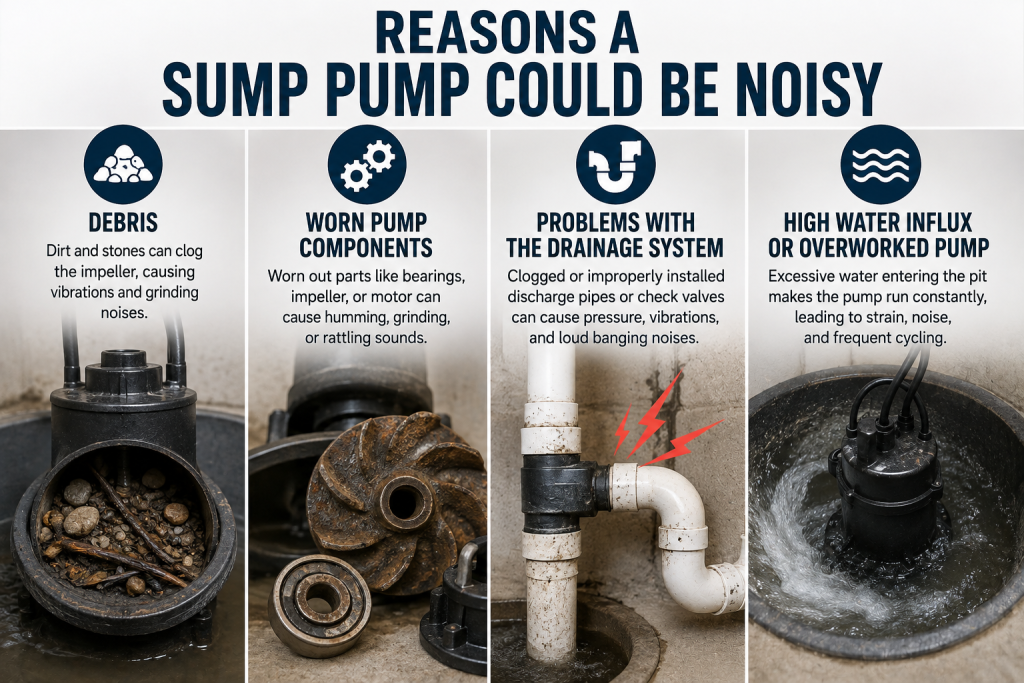
Dirt and stones that enter through the top of the sump can obstruct the impeller. Impeller rotation can cause noise due to vibrations or grinding.
A sump pump inspection can check for buildup and see if cleaning/repair is necessary.
Worn Pump Components
The moving parts of a system can eventually wear out. A pump motor, impeller, bearing, switch, or other components can become less effective over time.
If the unit is several years old and is exhibiting multiple signs, it may be time to replace the sump pump rather than incur the cost of numerous component replacements.
Problems With the Drainage System
Your sump pump operates as part of a drainage system designed to manage and control groundwater around a property.
A French drain or discharge pipe, along with basement waterproofing, may limit how much water enters a sump pit. If the pump is constantly overworked, it may indicate that the drainage system needs to be addressed rather than simply replacing the pump with a larger capacity unit.
Safely checking a few things yourself can help you gather some useful information before disassembly is required.
Personal safety precautions dictate that you not enter a sump pit when it is energized or perform your own electrical repair. A malfunctioning pump requires the services of a certified repair person.
Sump pump problems often times can be eliminated with consistent maintenance.
Regularly clearing your sump pit of debris will help with seamless operation.
The system must be checked to ensure the pump starts, moves water, and shuts off all at the appropriate time.
Power outages during bad weather bring an increase in groundwater and can put significant demand on your sump pump and battery backup. Check your battery based on the manufacturer’s recommendations.
An effective sump pump won’t help you if the area isn’t draining. Check your drainage to ensure water is moving away from your property.
Just because the pump makes a funny noise doesn’t mean you need to buy a new one. Replacement is more justified if the pump is worn out, repeatedly fails, or has a faulty motor due to overwork.
A thorough inspection of a sump pump system looks at the entire system rather than just the component that is the loudest. One should consider the pump, switch, sensor, discharge pipe, and surrounding drainage.
If gravel is placed around a pump to help control erosion, groundwater can quickly enter, overload, and overwhelm the system. Long-term solutions may include waterproofing or improving drainage around your property.
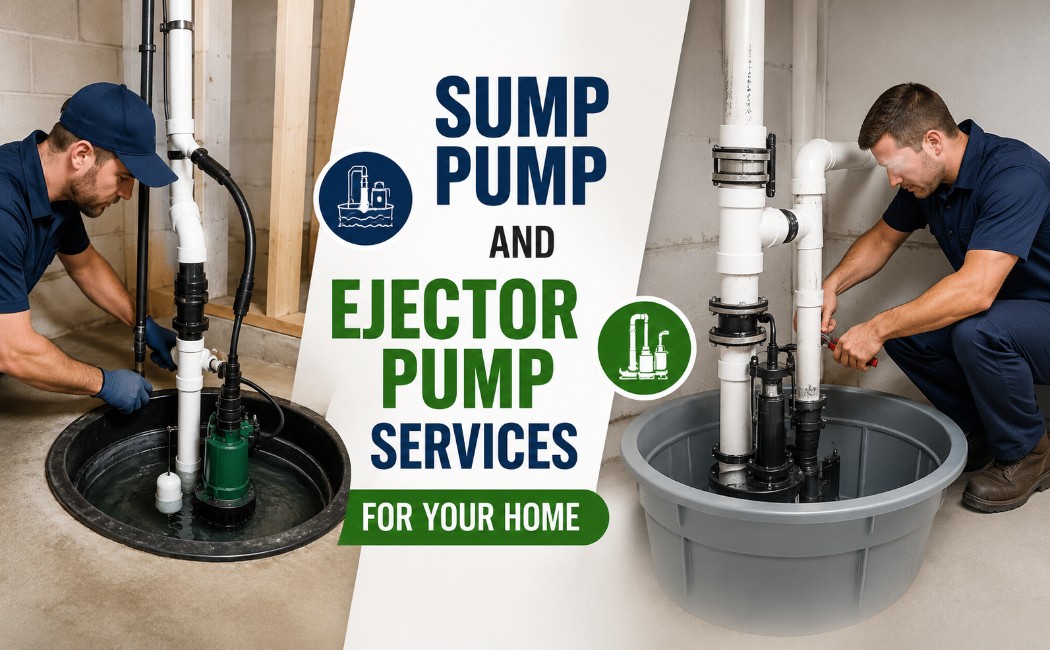
A sump ejector pump can have a different function based on the configuration of the plumbing on the property. These systems can be linked to the removal of wastewater, particularly when plumbing fixtures are located below the main sewer line.
Noises like grinding, cycling, or humming should not be dismissed. Because wastewater systems involve a drain line or sewer line, it is important to have an accurate diagnosis before attempting any repairs.
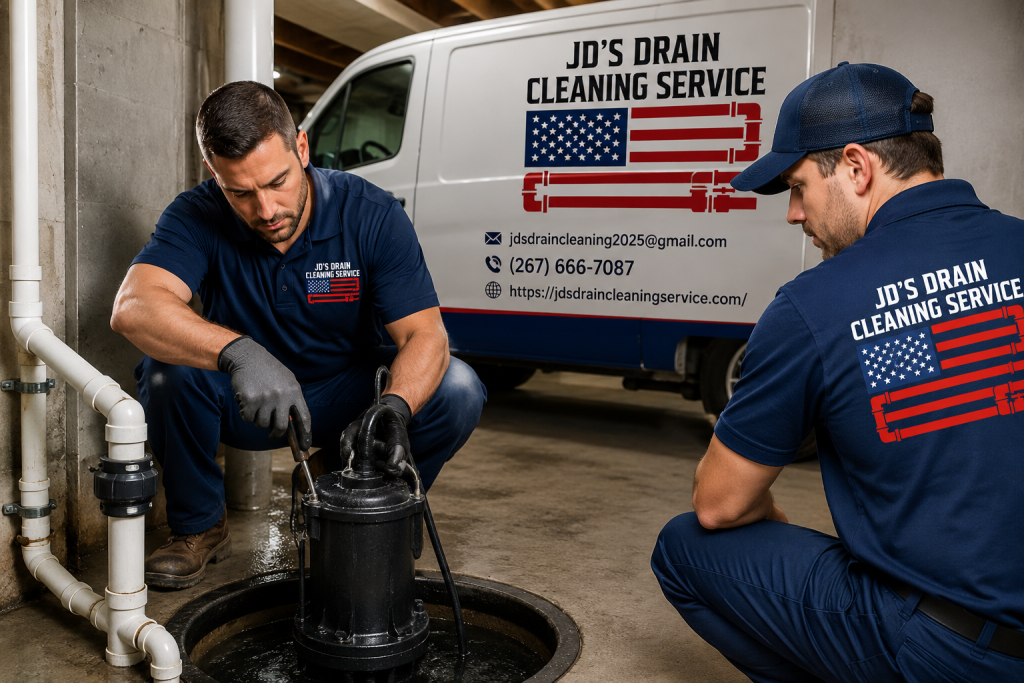
The staff at JD’s Drain Cleaning have 40 years of experience dealing with various aspects of plumbing and drainage. This experience is important because when a sump pump problem occurs, it might not be the pump that is the problem.
They can perform a complete assessment to determine the drainage concern and recommend whether the next course of action is to repair, maintain, or replace the system. A complete assessment can prevent the basement from flooding. Give Us A call today.
Sump pumps rarely quit without a warning. Often, strange sounds occurring with the pump are a sign that a pump part is starting to wear, that water is barely making it through the system, or that the entire system is becoming a drainage issue.
]You must troubleshoot your pump and do preventative maintenance on your pump to avoid a flooded basement emergency. When you can’t identify what is causing the pump not to work, it is safer for you and more reliable for the pump to perform a thorough inspection on it before it stops working.
1. Why does my sump pump sound like grinding?
Grinding can be the result of many different things, like impeller debris, parts that have worn, or pump motor problems. You should have it checked because the longer you let it run, the worse the damage could become.
2. How often should I get my sump pump checked?
A good first step is to have it checked every year. You may want to bring it in more often than that, like before the rainy season. It would most likely benefit older or more used systems.
3. Can a sump pump be fixed instead of replaced?
Certain repairable things include valves, sensors, switches, or blockages. Depending on the level of pump or motor wear, repair vs replacement may not be a big deal.
4. Why is my sump pump constantly switching off and on?
This issue could be caused by many things. It could be a faulty water sensor, pressure switch, obstructed discharge, high groundwater levels, or an undersized pump. You should figure out the cause and replace the unit as a last-resort scenario.
5. What do I do if my sump pump starts acting up during heavy rain?
Make sure the pump is removing water normally, and also check that the discharge line is not clogged. If water is going up along with unwanted cycling, get it serviced right away to avoid flooding your basement.
