August 27, 2026
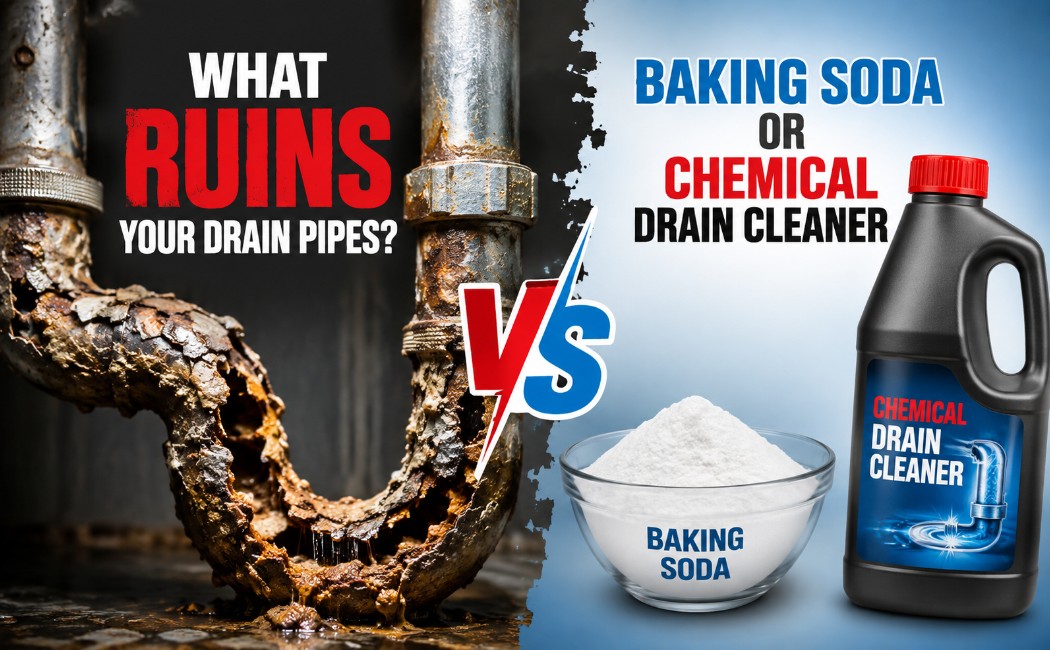
It is easy to forget about drain pipes that are draining slowly, but when water starts to back up, people scramble for options. Many reach for baking soda and vinegar, or chemical drain cleaner. While both may solve the issue in the short term, they can affect the plumbing system in the long term. So which of these options poses the least risk to your pipes? Unfortunately, this isn’t as straightforward. The reason for the blockage and frequency of drain cleaner use play a major role in determining the damage that may occur as a result.
For cleaner options, baking soda is safer, as it does not contain harsh chemicals as its counterparts do. Baking soda is usually mixed with vinegar. This may help clear some light buildup in the drains.
Baking soda can be a remedy for minor buildup and odor in the drains of the bathroom or kitchen, but will not resolve significant buildup or blockages.
It can’t remove:
Concerns about strong chemical products won’t likely apply if used occasionally. Baking soda should not be thought of as a complete drain treatment. A well-maintained drainage system requires proper habits and regular drain cleaning.
Breaking down clogs is what chemical drain cleaners are meant to do with the use of highly reactive chemicals. Conveniently, they work fast, but there may be a potential that they can be harmful.
Strong cleaners can produce heat as they work, which is even more damaging to the plumbing system, especially if they’re used repeatedly. If a pipe is already compromised, damaged, weak, cracked, leaking, etc., strong chemical cleaners will not be an adequate substitute for drain pipe repair in Montgomery County, PA.
There may even be the risk that a chemical cleaner may not remove a clog. Water gets trapped in the pipe behind the clog, and the chemicals may take even more time to dissipate.
This is dangerous to whoever eventually opens the drain or accesses the plumbing.
Never Mix Drain Cleaning Chemicals
Never pour two different types of cleaners into the drain, or mix cleaners with other household products, unless the label specifically states it is OK to do so. Safety issues can occur if you do.
If you have already poured a drain cleaner into a blocked drain, let the plumber know before he or she begins any inspection or repair work.
Not all clogs are clogs. A recurring blockage can be a sign of a problem occurring in your system other than a simple blockage.
Kitchen drains can become blocked due to soap scum, grease, and food. Bathroom drains can become clogged from hair and soap scum.
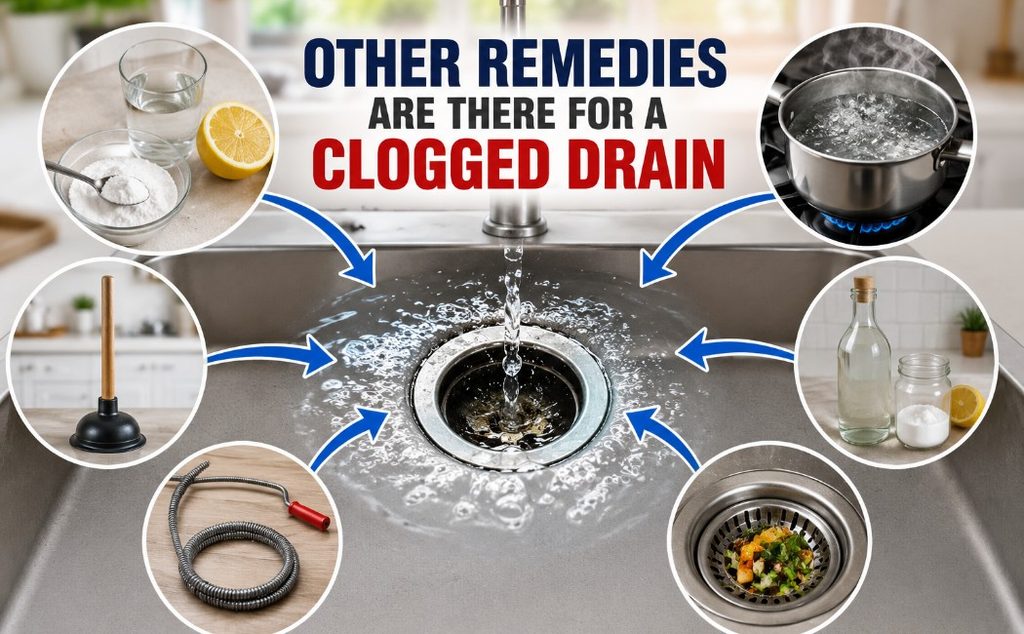
Blockages can be remedied with a plunger, a drain snake, or other similar methods. However, if a particular bathroom or kitchen drain is becoming a nuisance, then we should investigate the cause of the blockage more thoroughly.
A shower drain, which may be clogged with soap scum and hair, is a fairly common occurrence. A backed-up floor drain can be an even greater problem, especially if several other drains are clogged as well.
Multiple clogged drains can possibly be a sign of a blockage that is located deeper in the drain system, rather than a clogged drain in one of the fixtures.
Damaged piping can lead to repeated backups, odors, leaking or damp areas, or strange phenomena. If you’re noticing any of these issues, then piping, as well as drain and/or sewer lines, may need replacement. Leak detection can help diagnose the location of the issue.
A different approach is necessary for a sump ejector pump problem as well. It’s important to remember that pouring a drain cleaner will not address mechanical issues with the pump if it fails to remove wastewater. A sump ejector pump repair in Montgomery County, PA may be required.
Different blockages in different locations may require different types of solutions. Here are some things to consider before using a chemical drain cleaner:
Potentially dangerous wastewater backing up into the home is a good reason not to wait to take any plumbing-related action.
Preventing damaged drains is easy compared to what it takes to repair a damaged drain.
Unwanted disposal into household drains is a big source of drain blockages. Clean your strainers and remove wipes and other unsuitable items. Note any slow drains, gurgling, malodorous drainage, or water pooling around fixtures. Try removing sediment and cleaners on a regular basis.
Unblocking a drain shouldn’t require a strong dose of chemicals. Clogged drains should be corrected because they are hazardous.
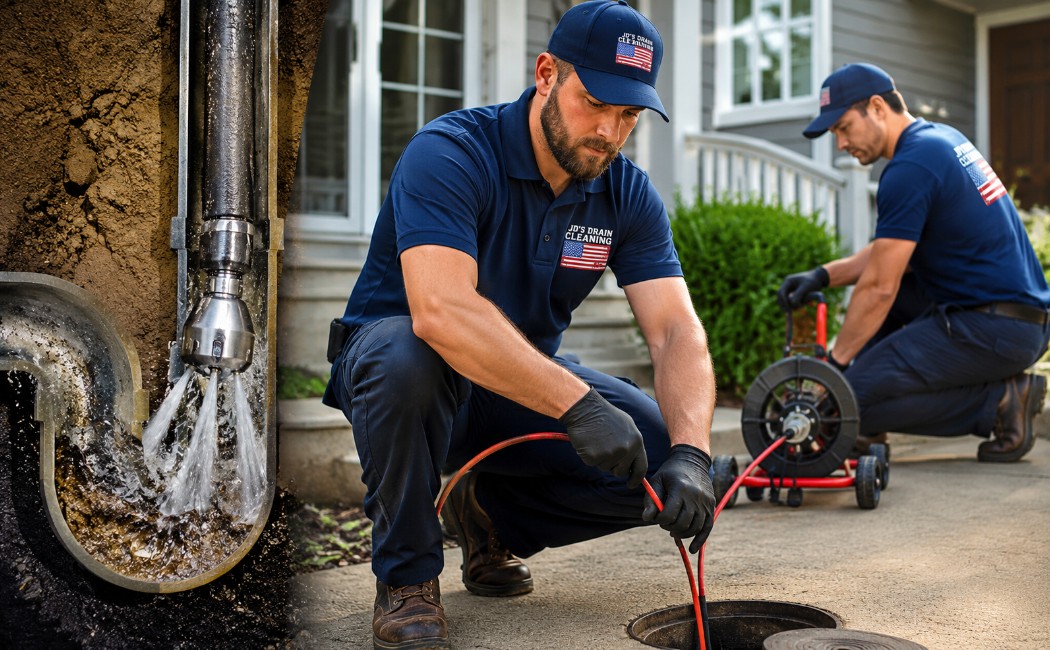
Regular maintenance of drains can help avoid blockages and unexpected flooding with JD’s Drain Cleaning, a professional plumbing company. It is worthwhile to have a plumber look at drains that become blocked again after cleaning. This could be due to an accumulation of material and blockage in the pipe, damage to the pipe, or a concern related to the sewer system.
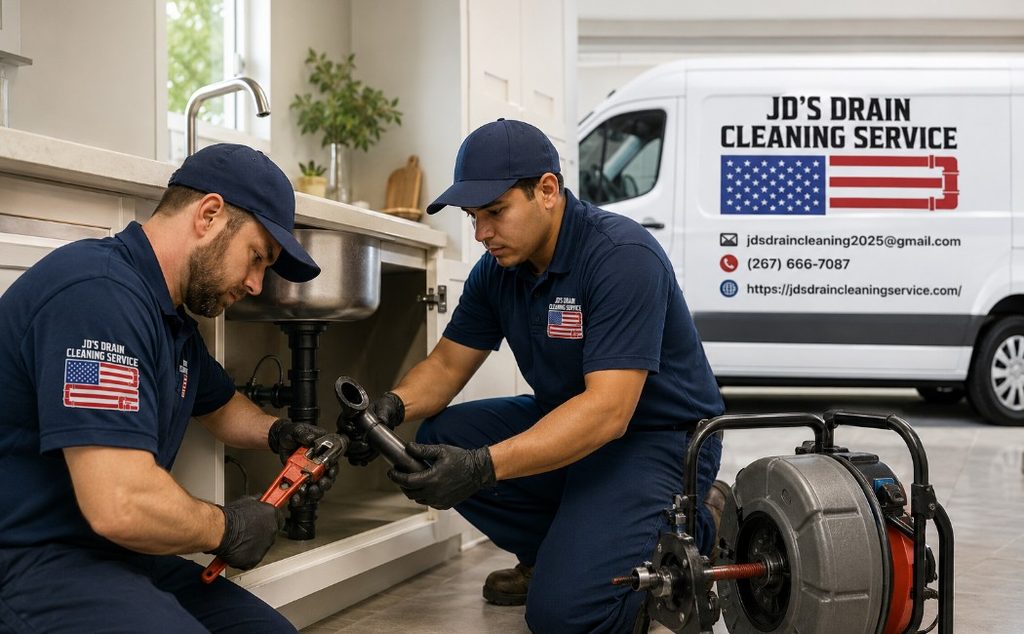
Solutions utilizing baking soda and chemical drain cleaners address minor issues in home drainage. Neither of these can be used for all situations.
If drains routinely back up, slow down, and leak, the better choice is to address the cause of these issues. Time spent on preventative maintenance for drains by cleaning and inspecting them may save costs in the long run and protect the plumbing system from unnecessary issues.
The cost of allowing minor issues to become major is high. The plumbing system and its protection rely on the maintenance of the drains.
Drain Pipe Problem Frequently Asked Questions
1. Is baking soda used in cleaning drains?
This is safer to use than chemicals. It removes residue, but if blockages are severe or keep coming back, then it is NOT the proper way to clean the drainage system.
2. What drain cleaners cause issues?
If you are already using it several times, then you have a plumbing problem, and you are only making it worse. Chemicals get corrosive with time, and even more so when mixed.
3. What are signs of damaged drain pipes?
You have plenty of signs that there is something seriously wrong, such as repeated blockages, damp areas, gurgling sounds, buildup of odors, multiple drains where water is very, very slow to go down, or back up.
4. Should I clean my drain?
Severe and recurring blockages make calling a plumber necessary before cleaning the drains. It is whoever or whatever is causing the sewer to back up that you should be concerned with.
5. How can JD’s help?
JD’s Drain Cleaning has the resources to clean drains and analyze what is causing chronic blockages to give you peace of mind.
